

 100% Canadian Owned and Led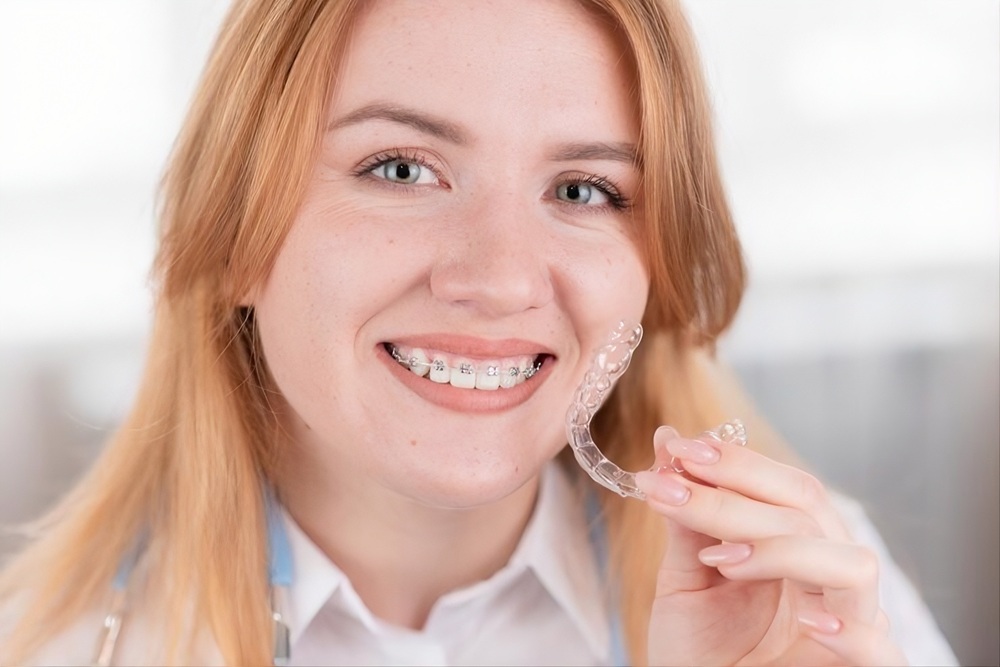
Invisalign or Braces: Which is Better? Orthodontic treatment is more than a choice about looks. The ideal choice may vary depending on the extent of tooth movement, bite issues, desired outcome, ease of use in daily life, and other factors. Invisalign near you will open clear aligners for you, but a professional assessment is necessary to know whether aligners or braces are right for you. Both aligners can provide gradual alignment, but their wear, maintenance, and management during treatment differ.
How Does Invisalign Work?
Invisalign uses clear, removable trays that slowly move your teeth into the planned position. You wear each set as directed and change them based on your treatment plan.
Clear aligners can be helpful because they:
- They are less noticeable than braces.
- They can be removed for eating and cleaning your teeth.
- Do not use brackets and wires.
- Allow normal brushing and flossing without having to work around fixed braces.
The aligners need to be worn consistently for the treatment to work as planned. Forgetting to wear them regularly can affect progress.
How Do Traditional Braces Work?
Traditional braces use brackets attached to the teeth and wires that apply controlled pressure to move teeth over time. The system stays on the teeth throughout treatment and is adjusted during follow-up appointments.
Braces may be useful for cases that require more complex tooth movement. They can address different alignment and bite concerns, depending on the individual treatment plan.
Unlike removable aligners, braces cannot be taken out during meals or regular brushing.
Invisalign vs Braces: Which Is Better?
There is no single treatment that is better for everyone. The right choice depends on the condition of the teeth, the type of movement required, and the ability to follow the treatment instructions.
Invisalign may suit certain patients who:
- Prefer a less noticeable treatment.
- Want removable aligners
- Can commit to wearing aligners as directed
- Prefer to remove the appliance while eating.
Braces may suit certain patients who:
- Need more controlled tooth movement.
- Prefer a fixed treatment.
- May have difficulty remembering to wear removable aligners
- Have alignment concerns that are better managed with braces.
A dental professional at a dental clinic near you can compare both options after examining the teeth and bite.
Which Option Is Easier to Clean?
Oral hygiene is important for both treatments, but the daily routine differs. Invisalign aligners can be removed, allowing normal brushing and flossing of the teeth. The aligners themselves also need to be cleaned as instructed.
With braces, brushing requires extra attention around brackets and wires. Cleaning between teeth can also require additional tools or techniques.
Good daily cleaning helps reduce plaque buildup during orthodontic treatment.
Which Treatment Looks Less Noticeable?
Appearance is one of the main reasons some patients consider clear aligners. Invisalign aligners are designed to be less visible than traditional metal braces.
Braces are more noticeable because brackets and wires remain attached to the teeth throughout treatment. Tooth-coloured or ceramic braces may provide a less visible alternative in some cases, but they still use brackets and wires.
The best choice should balance appearance with the type of tooth movement required.
How Long Does Invisalign or Braces Take?
Treatment time varies from one patient to another. The number and position of teeth being moved, the complexity of the bite, and how consistently treatment instructions are followed can all affect the timeline.
Some Invisalign treatments may take around 6 to 18 months, while traditional braces often take around 18 to 24 months, but these are general ranges rather than guarantees.
Treatment may take longer when:
- Teeth are significantly crowded.
- Larger gaps need correction.
- Bite problems require more changes.
- Teeth move more slowly than expected.
Treatment instructions are not followed consistently.
What Should You Consider Before Choosing?
A dental clinic in NW Calgary can provide an assessment to compare treatment options based on the condition of the teeth and bite. Cost, appearance, comfort, daily routine, treatment complexity, and the ability to follow instructions can all be discussed before making a decision.
The goal is not simply to choose the most convenient option. The treatment should be appropriate for the dental concerns being addressed.
Is Invisalign or Braces More Comfortable?
Both treatments can cause temporary pressure or soreness as the teeth move. Invisalign may feel different when a new aligner is introduced, while braces can cause temporary discomfort after adjustments.
Comfort varies between patients and can also change throughout treatment. Any significant or persistent pain should be discussed with a dental professional.
Ready to Choose the Right Orthodontic Option?
Choosing between Invisalign and braces involves more than deciding how the treatment looks. Factors such as tooth alignment, bite concerns, treatment goals, daily habits, and your ability to follow care instructions all play a role. Book an appointment with Kensington Dental Choice to have your smile assessed, compare Invisalign and braces in more detail, discuss your priorities, and receive clear guidance on the treatment option that best suits your needs.
FAQs
Is Invisalign always faster than braces?
No. Treatment time depends on the individual case. Some Invisalign treatments may be shorter, while others may take longer than expected based on the amount of tooth movement required.
Can Invisalign fix crowded teeth?
Invisalign can address some types of crowding, but suitability depends on the severity of the crowding and the tooth movements required.
Are braces better for complex cases?
Braces can provide controlled tooth movement and may be recommended for certain complex alignment or bite concerns. An assessment is needed to determine the appropriate option.
Can Invisalign be removed while eating?
Yes. Invisalign aligners are removable, so they can generally be taken out for meals and then replaced after cleaning the teeth as instructed.
