

 100% Canadian Owned and Led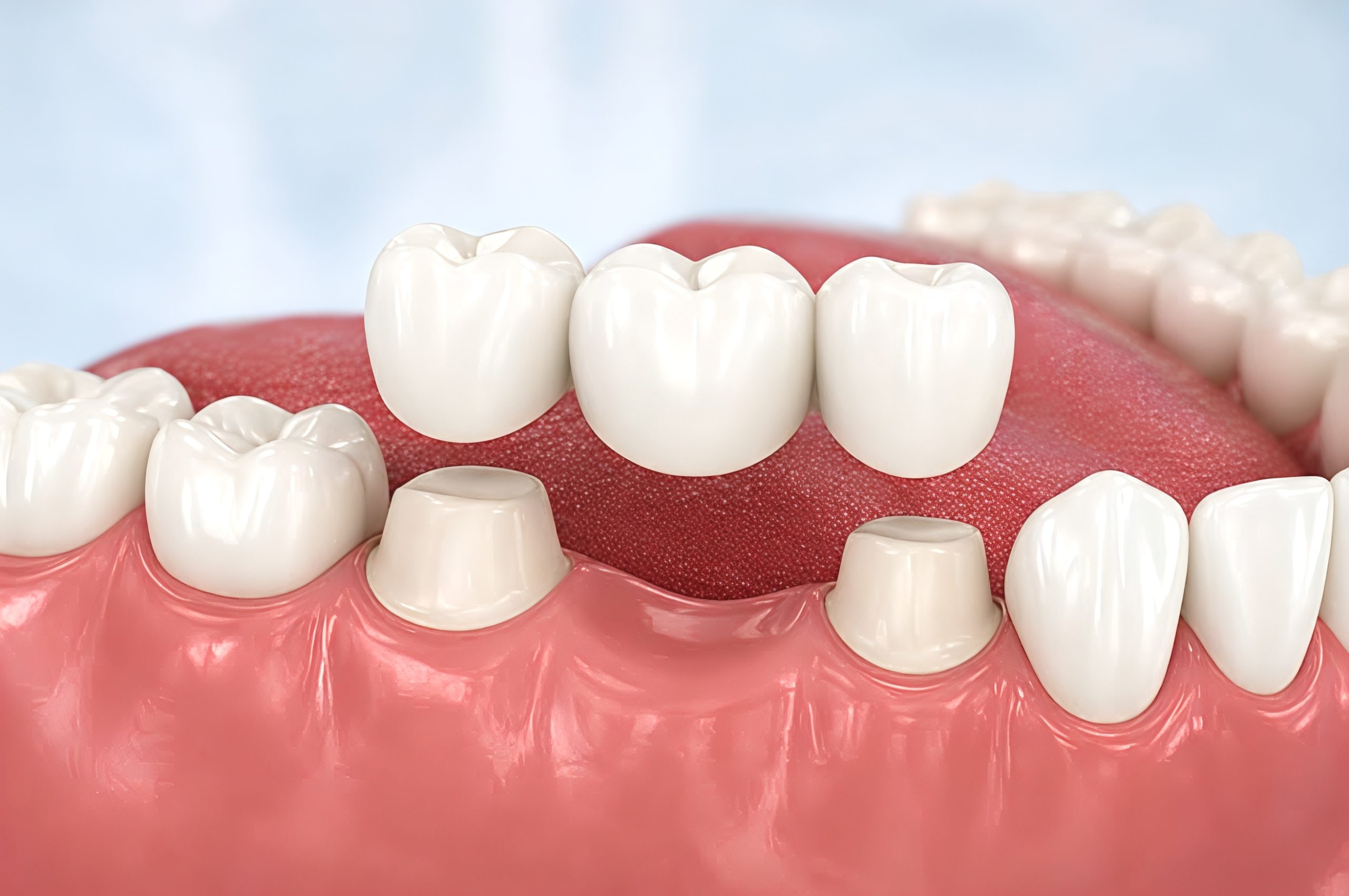
A missing tooth can change more than the look of your smile. Depending on its location, the gap may make chewing certain foods less comfortable or affect how your teeth fit together. Dental Bridges can help fill the space with a fixed restoration that includes a replacement tooth supported by nearby teeth or other suitable structures. The design is not the same for every patient. The number and location of missing teeth, the condition of the surrounding teeth, and your overall oral health all play a role in deciding whether a dental bridge is a suitable option.
What Is a Dental Bridge?
A dental bridge is a fixed restoration used to replace one or more missing teeth. It includes a replacement tooth that fills the open space and may use crowns or other supports to hold it in position.
Unlike a removable denture, a fixed bridge stays in place once it has been fitted. When considering Dental Bridges near you, a dental assessment can help determine whether a bridge is suitable for the missing tooth and the surrounding teeth.
How Does a Dental Bridge Replace a Missing Tooth?
The basic idea is simple: the replacement tooth sits in the space left by the missing tooth, while the supporting parts of the bridge hold it in place.
For a traditional bridge, the teeth beside the gap may be prepared to support crowns connected to the replacement tooth. Once the bridge is placed, the replacement tooth fills the open space.
The exact design can vary based on:
- Number of missing teeth
- Location of the gap
- Condition of nearby teeth
- Available support
- Bite and chewing needs
What Happens During Dental Bridge Treatment?
The process usually begins with an examination of the missing area and surrounding teeth. The supporting teeth need to be strong and suitable for the planned bridge.
Treatment may include:
- Assessment: The teeth, gums, and missing space are examined.
- Preparation: Supporting teeth may be reshaped when required.
- Measurements: Impressions or digital scans may be taken.
- Bridge creation: The restoration is made to fit the space and surrounding teeth.
- Fit check: The bridge is checked for comfort, appearance, and fit.
- Placement: The completed bridge is secured in position.
The number of visits depends on the type of bridge and the treatment required.
Who May Be a Candidate for a Dental Bridge?
A bridge may be considered when one or more teeth are missing, and the surrounding structures can provide suitable support. The condition of the gums and remaining teeth is also important.
An assessment at a dental clinic in Calgary can help determine whether a bridge is appropriate or whether another tooth-replacement option may better suit the situation.
Factors considered may include:
- Location and size of the gap
- Health of nearby teeth
- Gum condition
- Bite
- Number of missing teeth
- Ability to keep the restoration clean
How Do You Care for a Dental Bridge?
A dental bridge needs regular cleaning because food and plaque can collect around and underneath the restoration. Keeping the surrounding teeth and gums clean is an important part of daily care.
Helpful habits include:
- Brush twice a day with fluoride toothpaste.
- Clean around the bridge carefully.
- Clean underneath the replacement tooth as instructed.
- Clean between the supporting teeth.
- Avoid using the bridge to bite very hard objects.
- Attend regular dental examinations.
A dental clinic near you can provide specific cleaning instructions based on the type of bridge you have.
What If a Dental Bridge Feels Loose?
A bridge should not be ignored if it begins to feel loose, uncomfortable, or different from before. Changes may have several causes and need to be assessed rather than repaired at home.
Contact a dental clinic in NW Calgary if you notice:
- A loose bridge
- Pain when chewing
- Damage or cracks
- Persistent gum irritation
- Food repeatedly collecting around the bridge.
- A change in how your teeth meet
Avoid putting extra pressure on the area until it has been checked.
Restore the Space Left by a Missing Tooth!
A dental bridge can provide a fixed way to fill a gap and restore part of the function and appearance of a missing tooth. Understanding how the bridge is supported and how it should be cared for can help you make an informed treatment decision.
Book an appointment with Kensington Dental Choice to discuss your missing tooth and learn whether a dental bridge may be suitable for your needs.
FAQs
Does a dental bridge stay in place?
A fixed bridge is designed to remain in place rather than being removed for daily activities. The exact method of support depends on the bridge design.
Can a bridge replace a back tooth?
A bridge may be used to replace a missing back tooth when there is suitable support, and the treatment is appropriate for the area. An examination is needed to determine this.
How long does dental bridge treatment take?
The treatment timeline varies based on the type of bridge, preparation needed, and number of teeth involved. The expected number of visits can be discussed during an assessment.
Can you eat normally with a dental bridge?
A bridge is designed to restore part of the chewing function, but it may take some time to become accustomed to the new restoration. Following care instructions can help protect it.
