

 100% Canadian Owned and Led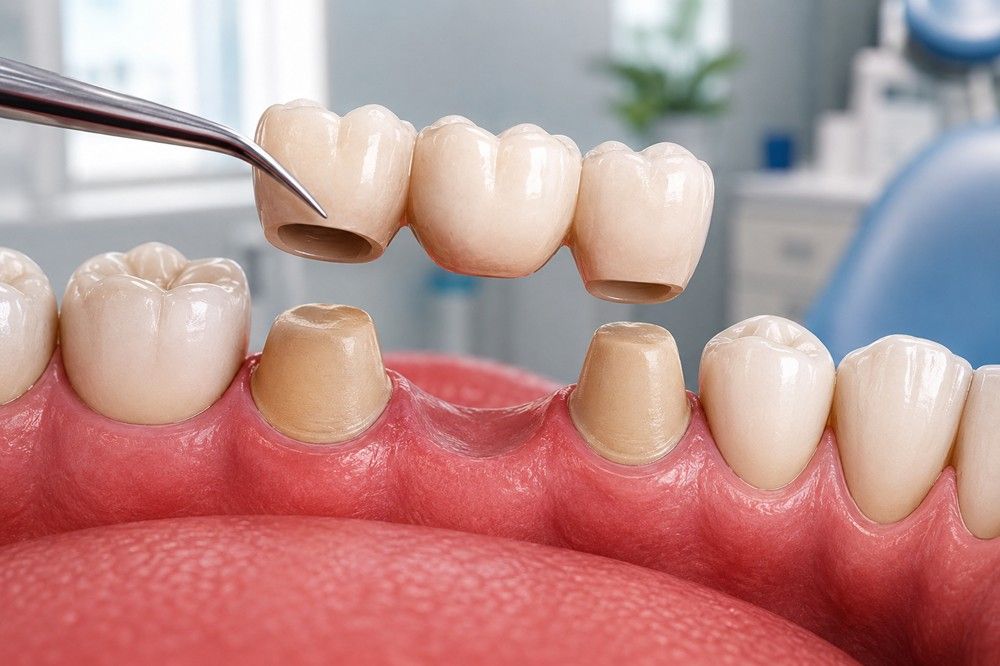
If you have been searching for dental bridges, you may already know that a dental bridge is an effective solution for replacing missing teeth. While dental bridges are designed to be durable, they do not last forever.
Their performance may be affected over time by wear and tear, changes in oral health, or damage to supporting teeth. You may preserve a healthy smile and avoid more severe dental issues in the future by understanding what happens when a dental bridge needs to be replaced.
Indications That a Dental Bridge May Need Replacement
With proper maintenance, most dental bridges can last 10 to 15 years or more. However, there are instances in which a replacement is required.
Typical indicators consist of:
- A bridge that is shaky or loose
- visible fractures or damage
- Sensitivity or pain near supporting teeth
- Inability to chew comfortably
- Gum recession close to the bridge
- Modifications to the alignment of the bite
It’s crucial to see a dentist if you have any of these symptoms.
Why Do Dental Bridges Need to Be Replaced?
Several factors can shorten a bridge’s lifespan. Patients searching for dental bridges near me often learn that replacement is usually needed because of underlying oral health concerns rather than the bridge itself.
Some common reasons include:
Decay in Supporting Teeth
A bridge depends on neighbouring teeth for support. If these teeth develop cavities or become weakened, the bridge may no longer fit properly or function safely.
Typical Tear and Wear
Dental restorations are constantly under pressure from daily chewing. Materials can deteriorate
over time, impacting both comfort and appearance.
Gum Disease
The bone and tissues supporting the bridge may be harmed by gum disease. This could lead to looseness and raise the possibility of replacement.
What Is the Replacement Process?
A qualified dentist in NW Calgary will begin by examining the existing bridge and the health of the surrounding teeth and gums.
The replacement process usually includes:
Step 1: Comprehensive Evaluation
The dentist will assess the bridge, the supporting teeth, the gums, and the bite alignment. Digital X-rays may be taken to identify hidden issues.
Step 2: Elimination of the Current Bridge
Carefully, the old bridge is taken down. The supporting teeth might be ready for a fresh repair if they stay healthy.
Step 3: Addressing Any Fundamental Issues
To guarantee a solid foundation, any decay, infection, or gum disease must be treated before installing a new bridge.
Step 4: Creating a New Bridge
Impressions or digital scans are taken to create a customized replacement bridge that matches your smile and bite.
Step 5: Placement and Final Adjustments
Once the new bridge is ready, it is secured in place and adjusted for comfort and function.
How to Extend the Life of Your New Bridge
Maintaining a bridge requires consistent oral hygiene and routine dental visits. Midway through your treatment journey, choosing a trusted dentist near you can significantly improve the long-term success of your restoration.
To extend the life of your bridge:
- Use fluoride toothpaste twice a day.
- Regularly floss the area beneath and around the bridge.
- Attend routine dental examinations
- Steer clear of chewing ice or other harsh items.
- If you grind your teeth, put on a nightguard.
These habits can reduce the risk of damage and help preserve supporting teeth and gums.
Conclusion
If your dental bridge feels loose, uncomfortable, or damaged, do not wait for the problem to worsen. The team at Kensington Dental Choice is here to help restore your smile and comfort.
Contact us today to book an appointment and learn about your treatment options.
FAQs
How frequently should dental bridges be changed?
Dental bridges typically last 10 to 15 years, though some can last longer with proper care.
Is it painful to replace a dental bridge?
In general, the process is comfortable. When required, a local anesthetic may be given to guarantee a satisfying experience.
Is it possible to fix a damaged bridge rather than replace it?
Sometimes, minor problems can be fixed. However, replacement is often necessary due to severe damage or underlying oral issues.
If I put off fixing a deteriorating bridge, what will happen?
Tooth decay, gum disease, biting issues, and further tooth loss might result from postponing treatment.
How can I determine whether my bridge is failing?
Looseness, discomfort, sensitivity, obvious damage, trouble chewing, or changes in the way your teeth fit together are common indicators.
