

 100% Canadian Owned and Led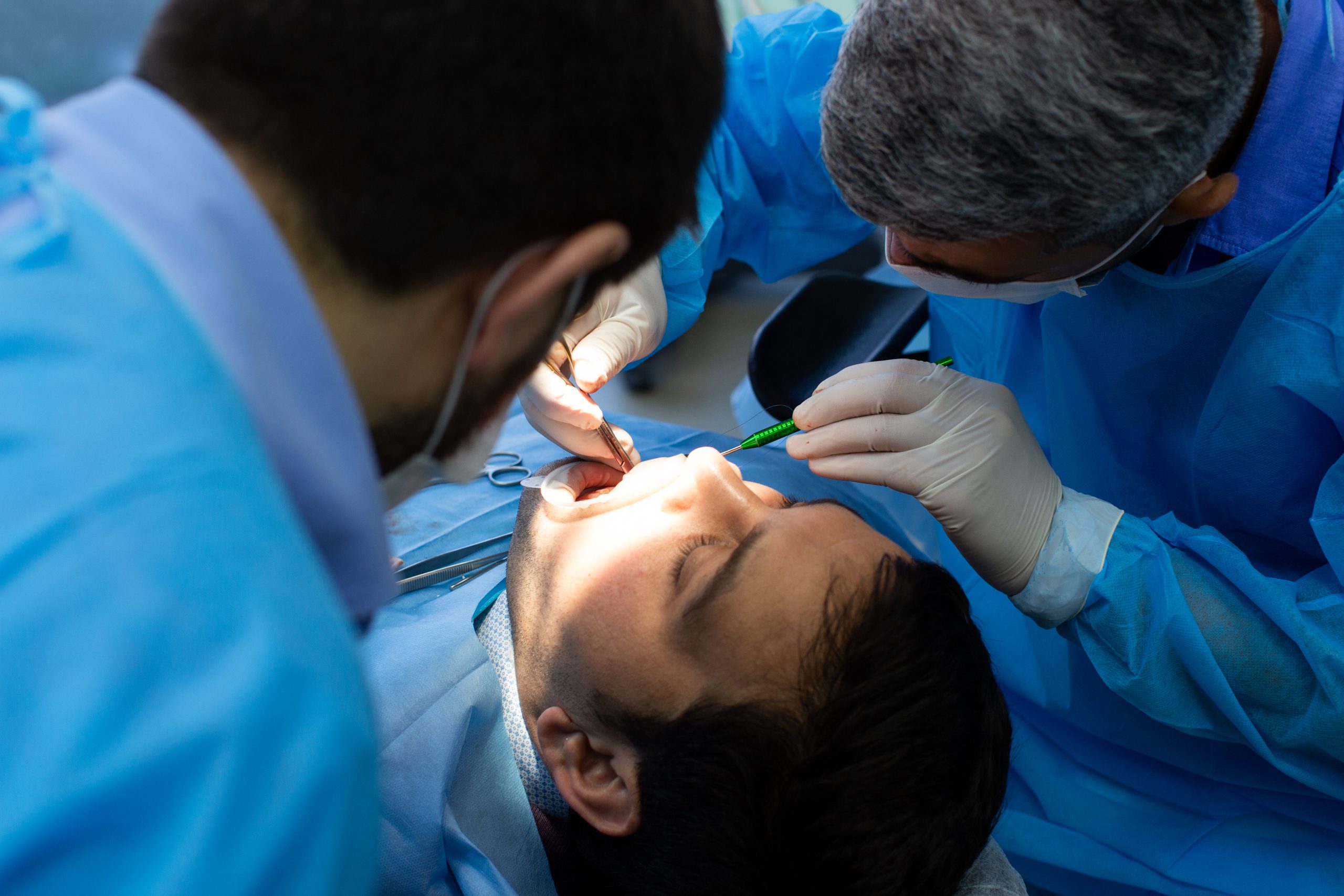
Many people feel nervous when they hear they need a tooth removed. A common question is How are tooth extractions done? And how long will the recovery take? Knowing what to expect can help you feel more prepared and less anxious about the process.
Healing time can vary from person to person. It depends on the type of extraction, your overall health, and how well you follow aftercare instructions. Most people start feeling better within a few days, but complete healing takes a little longer.
Understanding the Procedure
If you are scheduled for a tooth extraction in NW Calgary, the dental team will first examine your tooth and take X-rays. This helps them see the roots and plan the safest way to remove them.
Simple extractions are done when the tooth is visible above the gum. The area is numbed, and the tooth is gently loosened and removed. The process is usually quick and straightforward.
Surgical extractions are done when the tooth is broken, impacted, or below the gum line. In this case, a small opening may be made in the gum to remove the tooth safely. Sometimes the tooth is removed in sections to protect the surrounding bone.
What Happens Right After the Extraction
Once the tooth is removed, a blood clot forms in the socket. This clot is very important. It protects the bone and nerves while the area heals. Keeping this clot in place is key to avoiding complications.
During the first 24 hours, you may notice
Mild bleeding
Swelling around the area
Soreness when opening your mouth
Slight jaw stiffness
These are normal signs of healing. Applying a cold pack to the outside of your cheek during the first day may help reduce swelling.
How Long Does Healing Take
Healing usually happens in stages and improves step by step.
The first 1 to 3 days are when swelling and tenderness are most noticeable.
After about one week, the gum tissue begins to close over the socket.
Within two weeks, most of the soft tissue has healed.
Full bone healing can take several weeks or even a few months, this varies from case to case.
Most people return to routine activities within a day or two. However, it is important to avoid heavy lifting, intense exercise, or bending over too much during the early healing period. Rest allows your body to focus on recovery.
Tips for a Smooth Recovery
Following the mentioned instructions carefully can make a big difference.
Gently bite on the gauze to help stop the bleeding and change it as your dentist tells you.
Do not use a straw for a few days because the suction can remove the blood clot.
Eat soft foods like yogurt, soft eggs, soup, and mashed vegetables.
Do not smoke because it can slow down healing.
Keep your mouth clean, but do not rinse hard on the first day.
After a day, rinse your mouth softly with warm salt water to help keep the area clean.
Drinking plenty of water and getting enough rest also support healing. If you are unsure about any symptoms, speaking with a dentist near you can help you understand what is normal and what needs attention.
When to Call Your Dentist
Most healing happens without problems, but you should contact your dentist if you notice unusual symptoms.
Severe pain that does not improve after a few days
Heavy bleeding that continues
Fever or chills
Swelling that gets worse instead of better
A bad taste or smell in your mouth
A dentist in NW Calgary can examine the area and make sure healing is on track. Early care prevents small issues from becoming bigger problems.
Replacing the Missing Tooth
After healing, you may want to replace the missing tooth to protect your bite and keep nearby teeth from shifting. Leaving a gap for too long can affect chewing and jaw balance.
One option is a Dental bridge after tooth extraction. A bridge fills the space and restores function. Other solutions may also be discussed based on your needs, including implants or partial dentures.
Your dentist will explain the benefits of each option so you can choose what works best for you. Replacing a missing tooth not only improves comfort but also supports long-term oral health.
Support for a Healthy Recovery
If you need guidance before or after your procedure, we at Kensington Dental Choice are here to provide guidance. Schedule your visit today and let us support you through every step of your care.
Frequently Asked Questions
How painful is recovery after a tooth extraction?
Mild to moderate soreness is common for a few days. Pain usually improves with rest and proper care.
When can I eat normally again?
Soft foods are recommended at first. Most people return to regular eating within about a week.
How do I know if I have a dry socket?
Dry socket may cause severe pain a few days after extraction. Contact your dentist if pain increases instead of improving
Is swelling normal after extraction?
Yes, mild swelling is common during the first few days and should slowly decrease.
